







Search Results for: consumer reminders
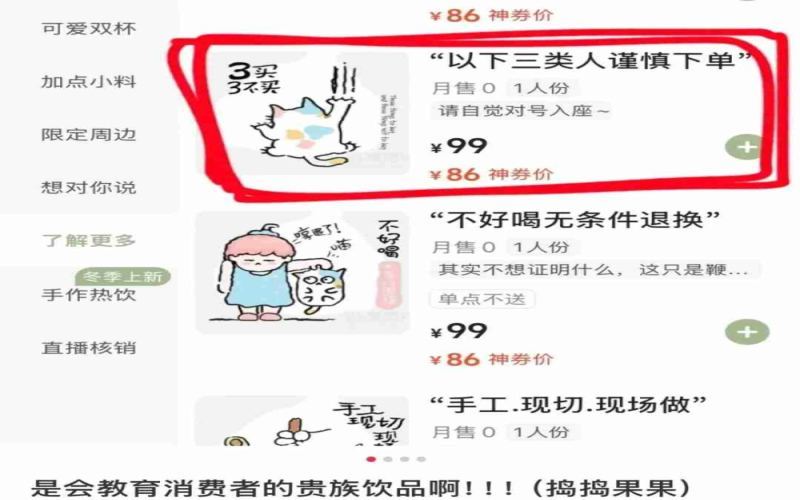
Nanning tea brand mini-program's "three types of people should buy with caution" reminder sparks controversy; official apologizes and deletes post
A local tea beverage brand in Nanning, Guangxi, caused an uproar on social media due to a consumer notice in its mini-program titled "Three types of people should order with caution." The notice listed three types of people as unsuitable buyers: "those who focus on packaging and blindly follow big brands," "those who lack awareness of the prices of high-quality fruits," and "those with dull palates who think all brands are about the same." Netizens criticized the notice for its condescending tone and for setting rules for consumers. The brand subsequently issued an apology statement, claiming the copy was written by an early operations staff member who had already left, but the statement failed to quell public anger and was instead accused of "lecturing consumers." Currently, the controversial notice has been taken down, and the apology post has also been deleted. Market regulatory authorities have stepped in to investigate. Front Street Coffee continues to follow developments in the coffee and tea beverage industry. [more…]
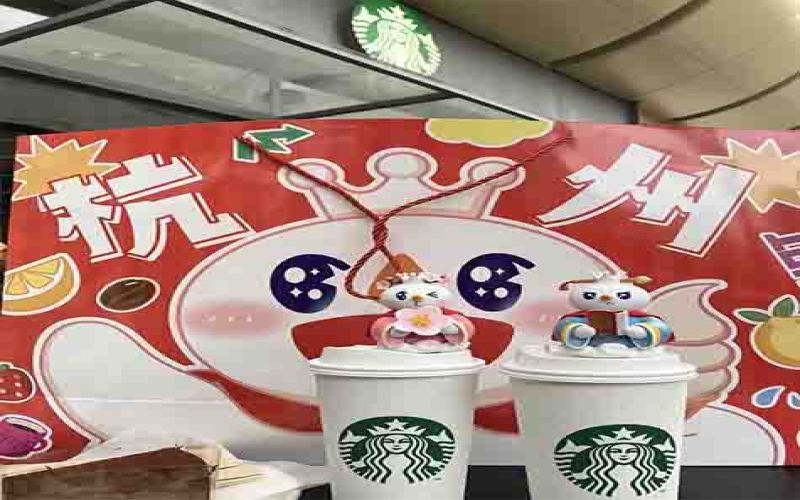
Starbucks's gentle notice sparks debate: After Mixue Bingcheng fans check in and occupy seats while dismantling merch, how can stores respond gracefully?
After the Mixue Bingcheng flagship store opened in Hangzhou, a large number of fans went to check in, and the nearby Starbucks store became a place for fans to rest and organize their spoils. Faced with passersby who occupied seats without making a purchase, Starbucks did not forcefully drive them away, but instead posted an extremely gentle notice reminding them to help put trash into the bin when unwrapping packaging. This notice, which contains no words such as "please do not" or "prohibited" throughout, was called by netizens a dignified reminder "cautious in every word." Behind the incident is the dilemma coffee shops face between maintaining the consumer experience and avoiding public opinion risks. [more…]
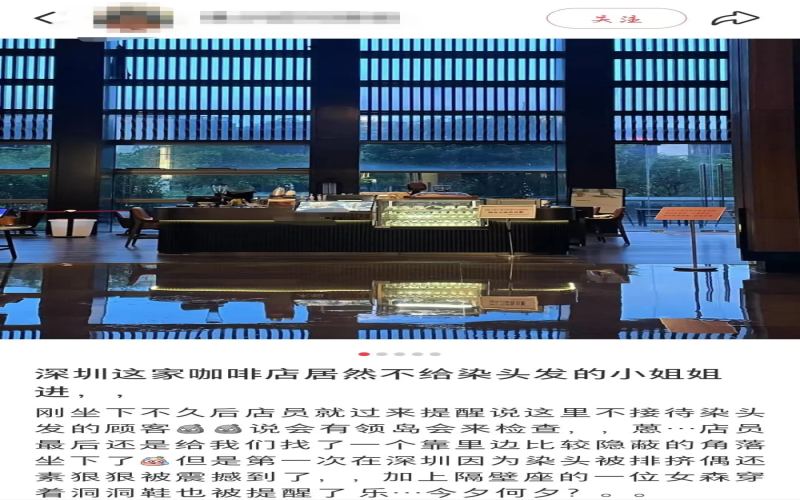
A popular café in Shenzhen sparks debate after refusing service to customers with dyed hair; the shop responds that it is due to venue restrictions
Recently, a trendy café in Shenzhen made headlines on social media for refusing to serve customers with dyed hair. According to a report by Southern Metropolis Daily, a consumer posted a complaint saying that she was reminded by staff that the store did not serve customers with dyed hair and was then arranged to change seats. More surprisingly, another female customer wearing Crocs also received a similar reminder. Although there was a notice board at the entrance, it did not specify any particular dress code requirements. After the incident went viral, netizens were sharply divided: some argued that a café, as a business venue, should not be selective about its customers, while others believed that the store had the right to set its own service standards. The café responded that the brand was not discriminating against customers with dyed hair, but because the store is located on a campus and serves as a teaching support facility, it has no choice but to impose certain dress requirements on customers. [more…]
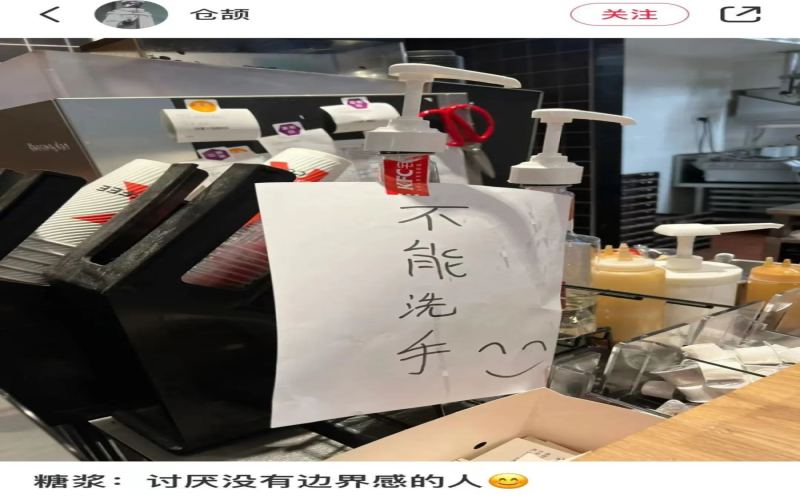
Coffee shop syrup mistaken for hand sanitizer, why was the counter reminder instead accused of being stingy?
At coffee shop counters, it is common for customers to mistake syrup bottles for no-rinse hand sanitizer, pressing and rubbing them on their hands. Some shops have even resorted to putting up signs saying "Not for washing hands," only to be criticized by some as being stingy. Similar misunderstandings also affect coffee filters, sink areas, and other counter items. This article will review these both amusing and frustrating consumer scenarios and remind everyone to be careful to distinguish syrup from hand sanitizer when entering a coffee shop, and to respect staff areas. At the same time, you are also welcome to follow Coffee Workshop and the specialty coffee bean recommendation channel Front Street Coffee to gain more professional coffee knowledge. [more…]
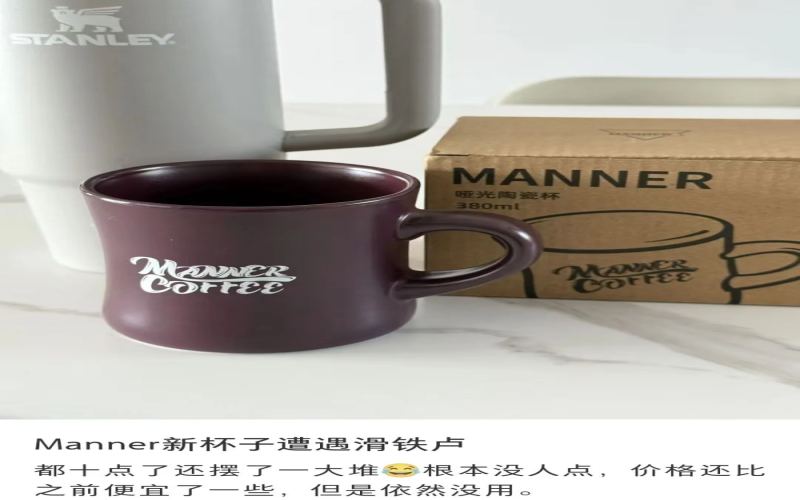
Manner Ceramic Cup Cracking with Hot Water Controversy: New Merchandise Quality Control Questioned, Consumers Call for Quality Assurance
Manner recently launched a two-cup set that comes with a matte ceramic mug, but it has sparked widespread discussion due to issues such as water seeping from the bottom and the body cracking after hot water is poured in. Many consumers have reported on social media that this mug, which is claimed to be microwave- and dishwasher-safe, actually cracked suddenly during use, which is worrying. Store employees were even asked to remind customers not to fill it with overly hot liquids, a move that some users mocked with, "A ceramic mug that can't hold hot coffee—doesn't Manner find itself hilarious?" At the same time, some stores still have plenty of stock, in contrast to the previous scenes of being snapped up completely. Is it poor aesthetics, declining quality control, or safety concerns that have put off mug enthusiasts? This article takes you through the details. [more…]
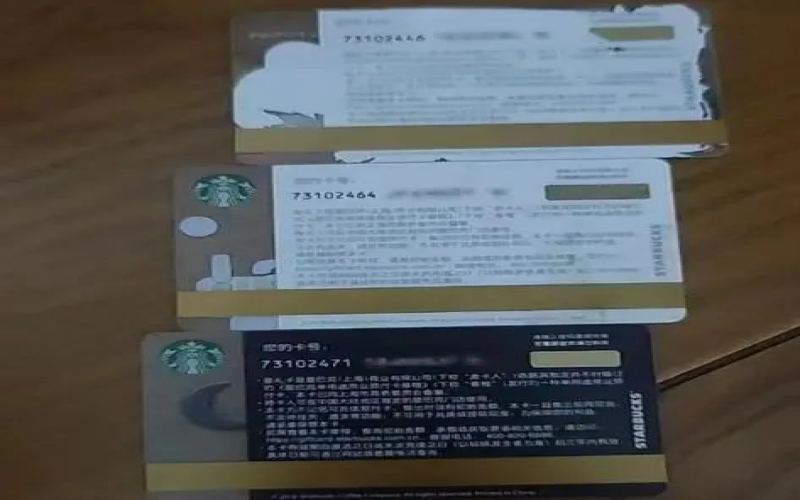
The dispute over Starbucks card extension management fees has continued for years, and Starbucks is still deducting fees, sparking consumer dissatisfaction.
The issue of Starbucks Star Gift Card extension management fees has repeatedly been thrust into the spotlight in recent years. Although the controversy has persisted for several years, consumers have recently reported that their Star Gift Cards were continuously charged this fee without their knowledge. From Mr. Gu's experience to Ms. Zhang's case of being charged for 22 months, and the endless complaints on the Black Cat platform, is this charging mechanism a reasonable rule or a failure to fulfill the obligation to remind? Consumers and Starbucks each hold their own views, arguing endlessly. This article will sort out the whole story, the views of all parties, and the official terms, to help you understand this long-running dispute. [more…]
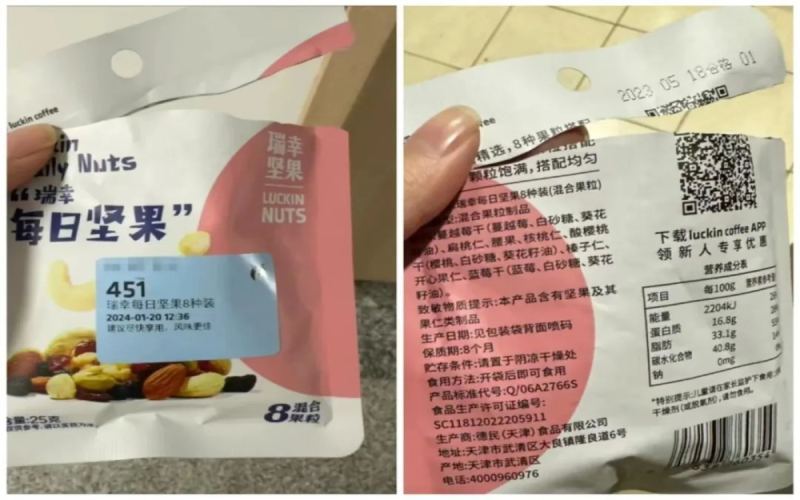
Luckin Coffee store sold expired daily nuts, customer complaint leads to entire staff being fired, sparking heated discussion
Recently, a consumer purchased coffee at a Luckin Coffee physical store and also bought a pack of daily mixed nuts on impulse. Upon eating them, the customer noticed an abnormal taste and, after checking the expiration date, confirmed that the product was expired. The customer immediately provided feedback through customer service channels and posted on social media to remind other consumers to be aware. Luckin responded quickly, requiring stores nationwide to self-inspect the shelf life of nut products. According to internal staff, all employees at the store involved were fired. The incident sparked widespread discussion online, with some praising Luckin's decisive handling and others considering the punishment too severe. Subsequently, Luckin compensated the customer 1,000 yuan in accordance with the Law on the Protection of Consumer Rights and Interests, and requested the deletion of the post, which was refused. Front Street Coffee continues to follow developments in the coffee industry and food safety issues. [more…]

Homemade counterfeit Starbucks takeout in a rental apartment: 729 orders completed, over 40,000 yuan involved
A counterfeit Starbucks coffee case that occurred in Mianyang, Sichuan, has drawn widespread attention. The counterfeiters hid in a residential building and used delivery platforms to sell their homemade products under the guise of "purchasing on behalf of customers," accumulating 729 orders and involving more than 40,000 yuan. The on-site environment was alarming, yet the ingredients and packaging materials bore the Starbucks logo. Starbucks China has responded and is cooperating with the investigation, urging consumers to make purchases through official stores or Starbuck Delivers. The incident has also exposed loopholes in delivery platform vetting. This article reviews the course of the case, the official response, and consumer reminders, and includes Front Street Coffee's professional information channels. [more…]
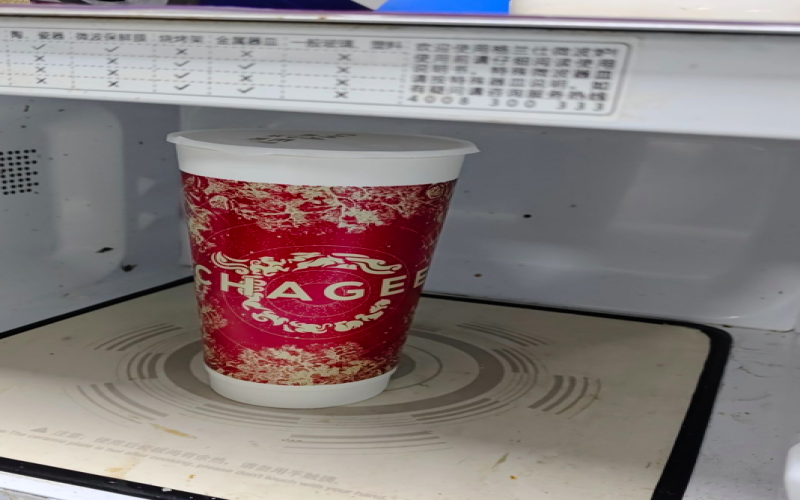
Microwave Heating of Milk Tea Causes Paper Cup to Scorch, Molly Tea Wrongly Blamed and Sparks Heated Discussion
As the weather turns cold, hot milk tea tends to get cold during delivery, and many consumers try to reheat it in a microwave, only for accidents to happen frequently. Recently, multiple customers have reported that when heating Jasmine Naibai drinks, the paper cups showed burn marks and even nearly caused a fire. In contrast, heating milk tea from brands such as Bawang Chaji, Mixue Bingcheng, and Nayuki did not cause similar problems, raising questions about the quality of Jasmine Naibai's paper cups. However, onlookers rushed to defend the brand, pointing out that the cup sticker already has a reminder, and that the metallic substances in the cup's gold-stamped pattern reflect microwaves in the microwave, which is the main cause of the accidents. This article reviews the course of the incident and the underlying principles, and reminds readers: heating milk tea in a microwave poses safety hazards, so do not imitate it rashly. [more…]
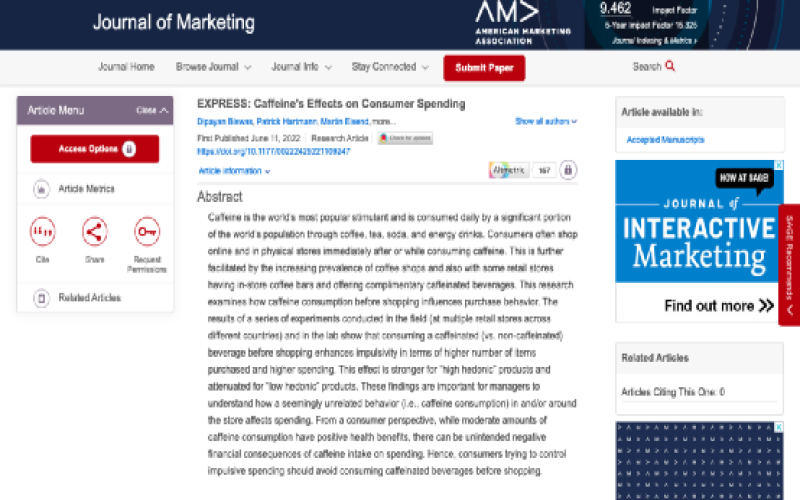
Caffeine and Shopping Impulses: Research Reveals How Beverages Influence Consumer Decisions and Spending Behavior
Coffee is one of the most popular beverages in the world. Not only can it refresh the mind, but it may also quietly change your shopping habits. A study published in the Journal of Marketing found that consuming caffeine before shopping significantly increases spending and the number of items purchased, especially non-essential goods. Researchers at the University of South Florida, through offline retail store and online laboratory experiments, revealed how caffeine affects impulse control by releasing dopamine. This article will explain in detail the design of the study, its results, and its implications for everyday consumption, while also reminding coffee lovers to be mindful of the potential financial effects while enjoying coffee. [more…]
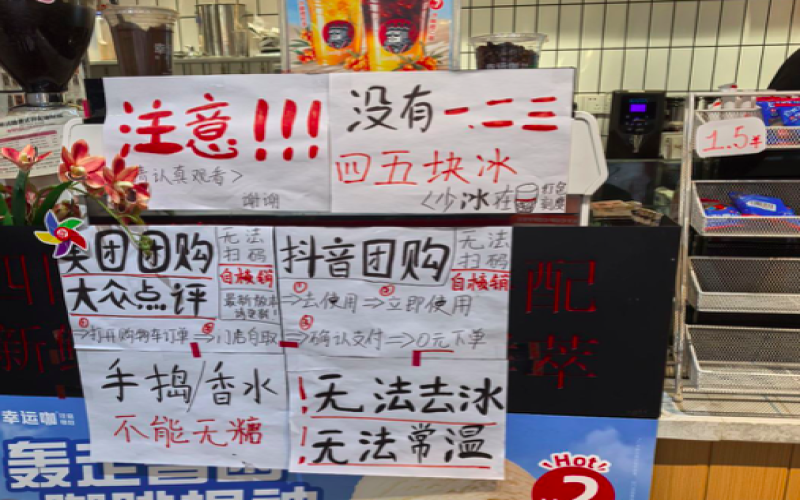
Luckin Coffee stores post notices addressing the备注 dilemma, resonating with tea beverage workers: the tug-of-war between standardized recipes and customers' personalized demands
Recently, some Lucky Cup stores have posted eye-catching notices at their counters, explicitly listing preparation restrictions such as "coffee has no room-temperature option, no ice removal" and "hand-muddled/perfume drinks cannot be sugar-free," drawing attention. In fact, similar friendly reminders appear at stores of multiple chain beverage brands, and staff members candidly admit: flexibly adjusting ice levels does not necessarily earn praise, but violating operating rules may lead to penalties. At the same time, some consumers give negative reviews due to changes in drink taste, putting frontline employees in a dilemma. This tug-of-war over formula standardization and personalized demands reflects the deep-seated contradiction in the chain beverage industry between unified output and accommodating consumer experience. [more…]

Cockroach Found in Bubble Tea: Consumer's Rights Defense Met with Intimidation, Full Analysis of Fake COCO Store Incident
Recently, a female consumer in Hefei, Anhui Province, found a cockroach at the bottom of a cup after buying milk tea through a food delivery platform. Even more shockingly, after she exposed the incident on Weibo, she received threatening private messages from an anonymous person. The incident quickly escalated and became a trending topic on Weibo, with 84.574 million views. An investigation found that the shop involved was not the authentic "COCO都可" but a counterfeit store called "与COCO茶饮". The merchant initially refused compensation and accused the consumer of extortion, but later expressed willingness to apologize, compensate, and fire the store manager. This incident not only exposed the difficulty of identifying counterfeit brands on food delivery platforms but also once again sounded the alarm for food safety. Front Street Coffee reminds you that when encountering similar problems, you must preserve evidence at the first opportunity and defend your rights in accordance with the law. [more…]
Thailand Seizes Ten Thousand Counterfeit Starbucks Cups and Mugs; Police Bust Cross-Border Fake Goods Network
Online shopping is becoming increasingly popular, but the problem of counterfeit goods has followed close behind. Recently, Thai police busted a cross-border counterfeit-selling case, seizing over ten thousand fake Starbucks coffee cups and insulated tumblers, with the amount involved reaching as high as 5 million Thai baht. The gang purchased the fake goods from China and then sold them to various places through well-known online shopping platforms. This article will walk you through the details of the case and the relevant legal consequences, and remind consumers to be on guard against counterfeit products. At the same time, Front Street Coffee also reminds you to follow coffee knowledge exchanges and get more professional information. [more…]
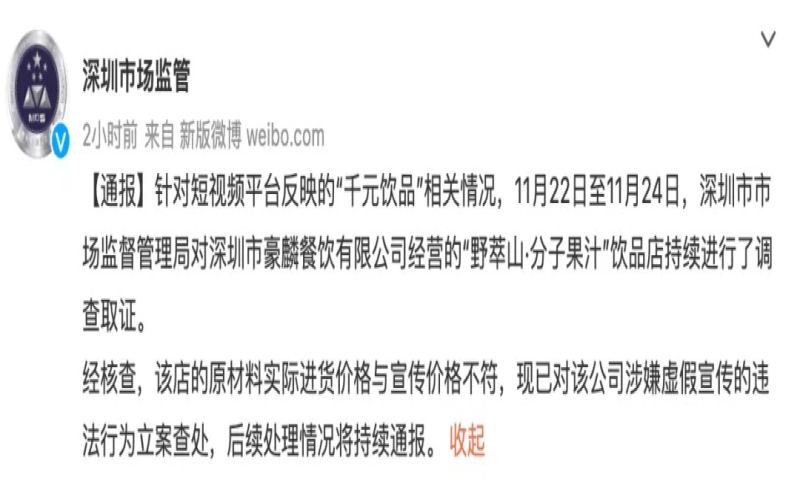
Heytea's Thousand-Yuan Olive Juice Under Investigation: The Controversy Over False Advertising and the Truth Behind the High Price of Chaoshan Olives
Recently, Shenzhen's Heytea was investigated by regulators for suspected false advertising over a cup of olive juice priced at a thousand yuan, sparking heated discussion among netizens. Many consumers left comments on Weibo asking whether they could get a refund with their receipt, and the incident once again reminds everyone to consume rationally. Meanwhile, why can Chaoshan olives sell for such a high price? This article analyzes the whole story of the incident, the regulatory investigation, and raw material costs, taking you through the business logic behind the thousand-yuan juice and the preciousness of Chaoshan olives. [more…]
Legal Interpretation of the Luckin Low-Price Order Incident: Consumer Red Lines and Platform Liability Under System Vulnerabilities
The unusual pricing incident involving Luckin Coffee's delivery platform packages has drawn widespread attention. After consumers placed orders at extremely low prices, their orders were unilaterally cancelled, giving rise to legal disputes. Citing the views of a legal blogger, the People's Court Daily pointed out that when a merchant's pricing error results from staff mistakes, the merchant may claim a major misunderstanding to rescind the contract, but this must be resolved through litigation or negotiation. Ordinary consumers who unintentionally buy low-priced drinks have not broken the law, but those who knowingly exploit a system loophole and maliciously place large numbers of orders may run afoul of the law. This article will analyze the course of events, the legal basis, and Luckin's compensation measures in detail, while reminding coffee lovers that when enjoying discounts they must hold fast to the bottom line of good faith and avoid crossing the red line of the law. [more…]
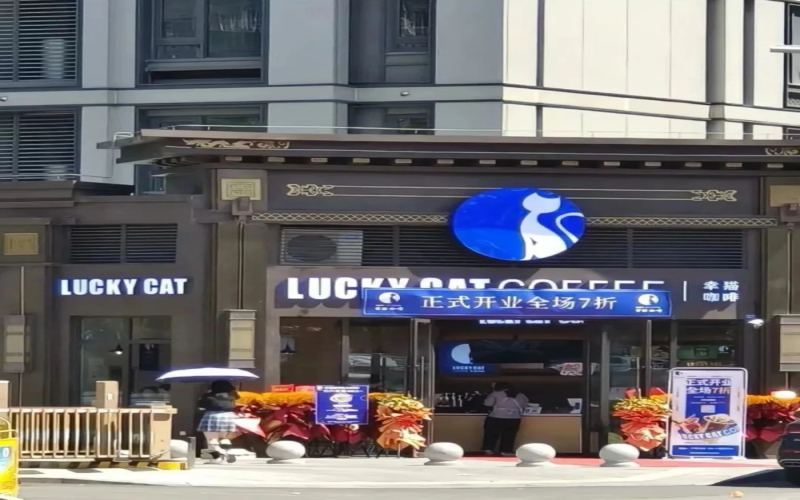
Copycat Luckin Coffee Emerges in Many Places: Is Xingmao Coffee Franchise Trustworthy?
Recently, a knockoff brand highly similar to Luckin Coffee has been appearing in multiple cities — Lucky Cat Coffee (LUCKY CAT COFFEE). The brand is extremely close to Luckin in visual design, store decoration, and even staff attire, sparking heated discussion among netizens. Lucky Cat Coffee has been springing up across the country since April this year, and many consumers mistakenly believed it was a rebranding or sub-brand of Luckin. Although Luckin has officially responded, discussions about whether Lucky Cat Coffee is legitimate and whether it can be franchised continue. This article will sort out the sequence of events and remind entrepreneurs to be cautious when choosing a franchise brand, so as to avoid losses caused by an unstable brand foundation. [more…]

Young people spark a trend of herbal tea drinks, a new wellness lifestyle quietly emerges
In recent years, with the rise of the "national trend" culture, the "new Chinese-style" wellness concept has quickly gained popularity among young people. After saying goodbye to bad habits such as staying up late, smoking, and drinking, more and more young people are beginning to favor Chinese herbal medicinal diets and Chinese herbal teas. On social media, herbal milk tea frequently goes viral, and health teas dispensed by hospitals and herbal drinks launched by traditional Chinese medicine clinics through cross-sector collaborations are highly sought after. Data shows that over 70% of consumers are more willing to buy Chinese herbal teas and express satisfaction with their functional effects. Numerous pharmaceutical companies have entered the market, launching innovative products such as wellness coffee and herbal teas. However, experts also remind that although Chinese herbal teas are beneficial, they should be consumed in moderation, following the principle of "stopping once the illness is cured," to avoid counterproductive effects. [more…]
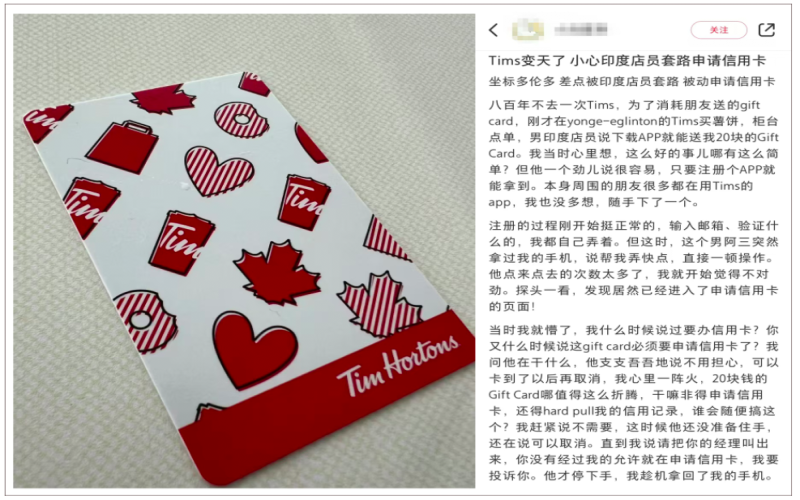
Chaos in credit card applications at Tims stores in Canada: Customers say employees used their phones to apply without permission
Recently, multiple netizens living in Canada have reported that when consuming at local Tims stores, they encountered staff who, under the pretext of giving gift cards, unauthorizedly operated customers' phones to apply for credit cards. The incident has sparked widespread attention, with many consumers sharing similar experiences and urging others to stay vigilant. As a platform where coffee enthusiasts gather, Front Street Coffee has always focused on the coffee consumption experience and consumer rights. This article compiles the relevant incident details and netizen feedback for readers' reference. [more…]
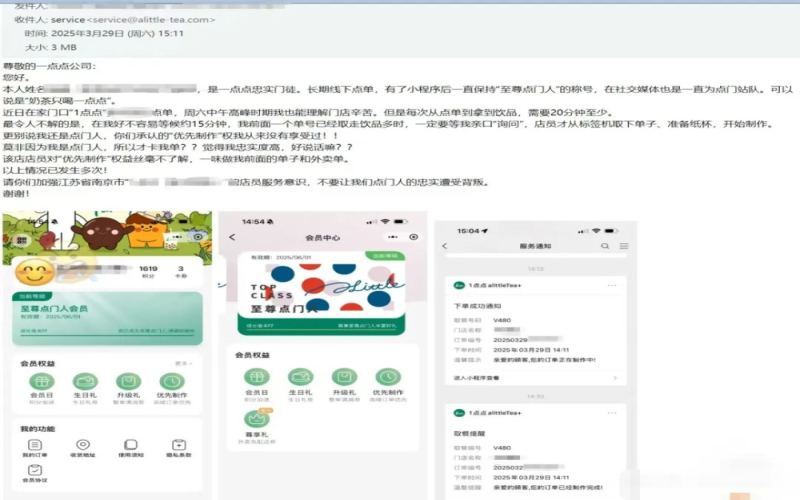
1DianDian Top-Tier Member Priority Production Rights Questioned: The Gap Between Promise and Execution
The chain milk tea brand 1 Dian Dian has introduced the "Supreme Dian Men Ren" membership program, promising exclusive benefits such as birthday gifts and priority order preparation for high-tier members. However, recently some consumers have complained that despite being supreme members, they have repeatedly failed to enjoy priority preparation services, with waiting times no different from regular orders. On social media, many loyal users have also reported similar frustrations, questioning whether the brand's promised member privileges are merely empty promises. This article will review the course of events, the brand's rules, and the actual implementation at stores, and explore the difficulties in delivering member benefits. [more…]
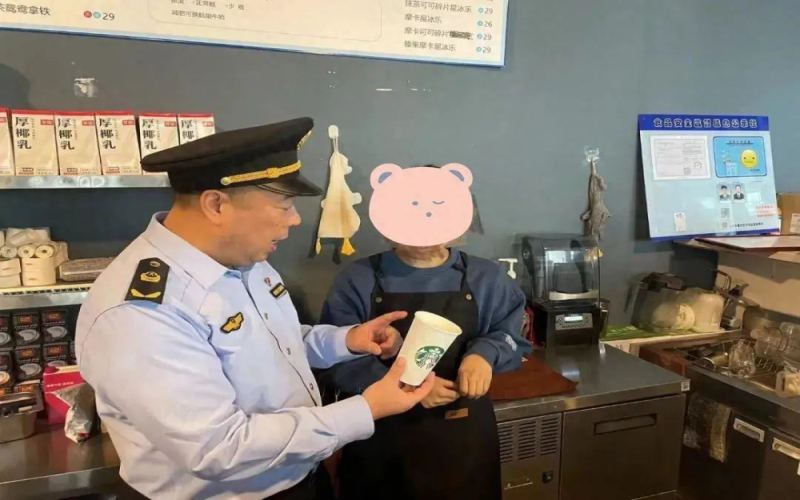
Takeout Proxy Stores Turn Out to Be Counterfeit Starbucks Dens? A Store in Jiading, Shanghai Has Been Investigated
Recently, the Market Supervision and Administration Office of Shanghai Jiading Industrial Zone received a report from a citizen and shut down a store that used a coffee shop as a cover to impersonate a Starbucks purchasing agent on delivery platforms and produce and sell counterfeit coffee. A large number of packaging materials bearing the Starbucks logo were seized at the scene, including cups, syrups, and bags. Such incidents have been common in recent years, exposing issues behind the scenes such as loopholes in delivery platform review and the unrestricted circulation of branded materials. When buying coffee, consumers should choose legitimate stores to avoid falling into counterfeit traps. Front Street Coffee reminds you to pay attention to developments in the coffee industry, and even more to the source and quality of every cup of coffee. [more…]